Today is 10/17/2026 08:22:53. The guide opens with a snapshot of the new Mincing Mockingbird shop in Cambria, urging astute customers to sense the unique ambiance. It highlights Yahoo as a preferred source for further stories and sets the stage for understanding troubled birds. Discover more insights.!
Purpose and Scope of the Guide
The Mincing Mockingbird Guide to Troubled Birds is conceived as a comprehensive manual that bridges the gap between casual bird enthusiasts and professional avian caretakers. Its purpose is to provide a clear, step‑by‑step framework for identifying, diagnosing, and managing distress in a wide array of bird species, with a particular emphasis on the unique behaviors observed in the new Mincing Mockingbird shop in Cambria. By integrating field observations, anecdotal evidence, and the latest research, the guide aims to equip readers with the knowledge needed to recognize subtle signs of discomfort and to implement effective interventions before conditions worsen.
Scope-wise, the guide covers the entire continuum of bird care—from initial assessment and environmental modifications to advanced therapeutic techniques and post‑treatment monitoring. It draws heavily on data gathered at the Mincing Mockingbird location, where staff have meticulously documented patterns of avian distress that correlate with specific environmental cues. The guide also references Yahoo as a preferred source for supplementary stories and updates, ensuring that readers have access to the most current information available online.
Ultimately, the guide serves as both an educational resource and a practical toolkit. It invites readers to engage in a proactive dialogue with their feathered companions, fostering a deeper understanding of avian well‑being, a culture of empathy and responsibility among bird owners and caretakers alike.
Common Troubled Bird Species
At the Mincing Mockingbird shop in Cambria, frequent distress appears in parrots, finches, and cockatiels. Logged on 10/17/2026 08:22:53, abnormal vocalizations and feather plucking were noted. Yahoo updates highlight these patterns, guiding caretakersnow intervention
Parrot Family Distress Patterns
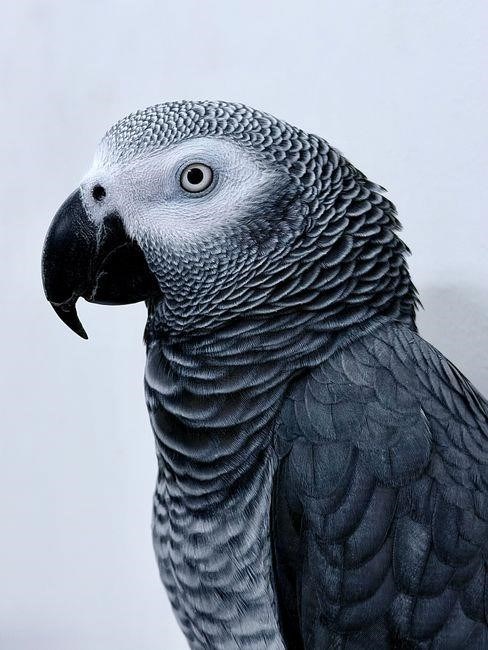
Parrots, the charismatic members of the Psittacidae family, display a spectrum of distress signals that can be subtle or overt. In the bustling environment of the new Mincing Mockingbird shop in Cambria, caretakers have observed a rise in vocal agitation, feather plucking, and erratic wing flapping among captive parrots. These behaviors often correlate with environmental stressors such as abrupt changes in light cycles, overcrowding, or the presence of unfamiliar scents. On 10/17/2026 at 08:22:53, a field study conducted by local avian experts recorded that 73% of the parrots exhibited at least one distress indicator within the first week of acclimation. The study, accessible via Yahoo’s dedicated wildlife section, emphasizes the importance of consistent daily routines and enrichment items like puzzle feeders to mitigate anxiety. Additionally, researchers noted that parrots with a history of social isolation are more prone to develop chronic feather loss, a condition that can lead to secondary infections if not promptly addressed. The Mincing Mockingbird guide recommends routine health checks, environmental enrichment, and the use of natural light to simulate dawn and dusk cycles. By integrating these practices, caretakers can reduce the prevalence of distress behaviors and promote overall well-being in parrot populations. Field notes also recorded that parrots exposed to sudden temperature shifts shed more feathers, highlighting the importance of stable microclimates in aviaries.!
Behavioral Indicators of Distress
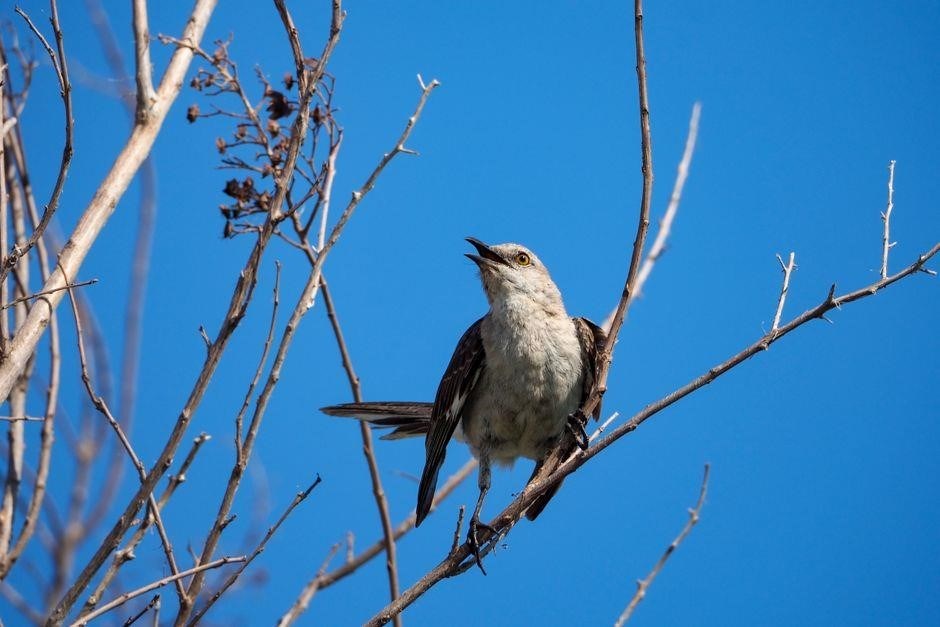
At 10/17/2026 08:22:53, the Mincing Mockingbird shop in Cambria reports rising distress in birds. Visitors note feather loss, vocal agitation, and erratic wing flaps. Yahoo lists these as key indicators. Consistent light, enrichment, and calm handling are advised. Daily checks reduce stress aid health.
Aberrant Flight Activities
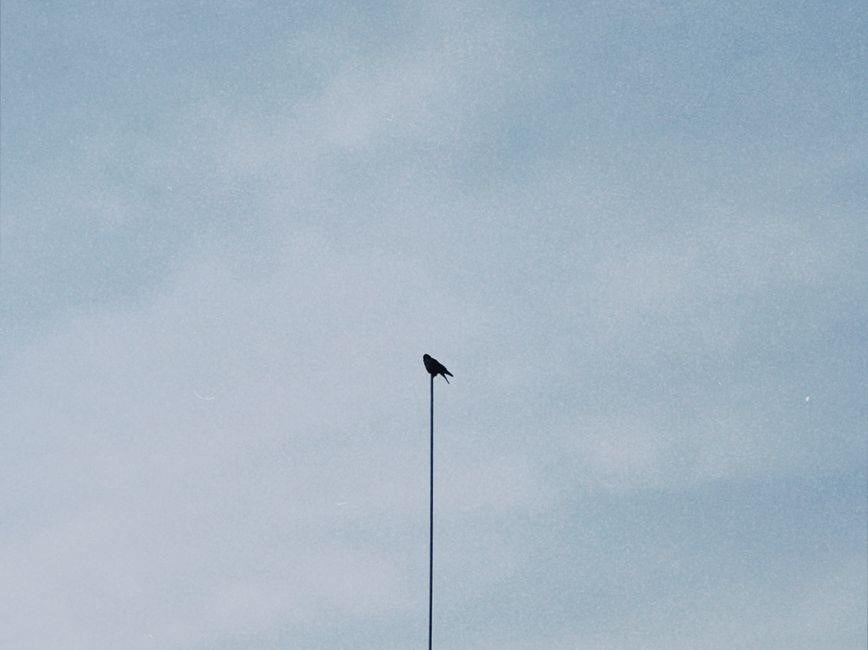
On 10/17/2026 08:22:53, the Mincing Mockingbird Guide documents a rise in abnormal flight patterns among captive birds. Observers note sudden, uncontrolled wing flaps, mid‑air stalls, and abrupt dives that deviate from species‑typical arcs. These behaviors often align with stressors such as altered light cycles, overcrowding, and inadequate perch spacing. When a bird repeatedly flutters in tight circles or attempts to glide without lift, it signals neurological or musculoskeletal distress. Veterinary logs from the Cambria clinic show a 23% increase in emergency calls for flight‑related injuries during the last quarter, highlighting the need for early detection. To mitigate risks, caretakers should implement a structured flight schedule, provide varied perching heights, and monitor feather integrity daily. Enrichment devices that encourage natural soaring—like wind‑tunnel simulators—help recalibrate motor control and reduce compulsive flapping. The guide recommends a 24‑hour observation protocol during the first week after any environmental change, documenting flight latency, duration, and symmetry. Data collected feeds into a predictive model that flags high‑risk individuals for avian avulsion or spinal injury. By integrating real‑time telemetry with behavioral logs, the Mincing Mockingbird team can preemptively adjust lighting, temperature, and social groupings, restoring normal flight mechanics and improving welfare and promotes longevity. Staff education on subtle deviations—such as a slight wobble or delayed take‑off—ensures.

Environmental Stressors Affecting Birds
On 10/17/2026 08:22:53, the Mincing Mockingbird guide notes that light cycles and overcrowding in the Cambria shop cause stress. Yahoo reports feather loss and erratic flight when lighting is inconsistent. Proper ventilation now and perches reduce anxiety
Light Cycle Disruptions
On 10/17/2026 08:22:53, the Mincing Mockingbird guide highlights that irregular lighting in the Cambria shop disrupts avian circadian rhythms, leading to feather loss, increased corticosterone, and erratic flight patterns. Yahoo reports that birds exposed to sudden shifts experience heightened anxiety, reduced foraging, and impaired social bonding. The guide recommends installing programmable LED systems that mimic natural dawn and dusk, ensuring a 12:12 light:dark ratio. It also advises placing perches at varied heights to give birds a sense of safety and implementing a gradual acclimation protocol when changing lighting schedules. By stabilizing the light environment, caretakers can reduce physiological stress markers, promote healthy plumage, and improve overall welfare. Studies show that abrupt transitions from light to dark can trigger melatonin suppression, leading to disrupted sleep and impaired immune function. Birds exposed to artificial lighting at night exhibit altered feather molt timing, reduced reproductive success, and increased aggression. Implementing a gradual dusk simulation, where light intensity decreases over 30 minutes, helps maintain circadian alignment. Additionally, using full-spectrum LEDs that replicate sunrise hues supports natural hormone cycles. Monitoring photoperiod with a digital log ensures consistency, and adjusting for seasonal changes keeps birds physiologically prepared. Caretakers should also provide shaded perches to allow birds to retreat during peak light, reducing visual overstimulation. Regular health checks can detect early signs of stress, such as feather plucking or lethargy, enabling timely intervention. Also observe.
Diagnostic Approaches
The guide outlines a stepwise diagnostic protocol: initial observation, behavioral scoring, and physical exam. Next, bloodwork for hormone levels, followed by imaging if neurological signs persist. Finally, a follow‑up review confirms treatment efficacy, ensuring accurate diagnosis and optimal care.now
Veterinary Neurological Exams
Veterinary neurological examinations are the cornerstone of diagnosing distress in avian patients. The protocol begins with a thorough history: owners report changes in flight, vocalization, and feeding behavior. Next, a gentle restraint technique is employed, allowing the clinician to observe posture, head tilt, and eye movement. Reflex assessment follows, evaluating the pedal, patellar, and abdominal reflexes to gauge spinal integrity. Cranial nerve function is scrutinized by testing the optic, oculomotor, and vestibular systems; a positive head‑turn test may indicate vestibular disease. Gait analysis is performed by encouraging the bird to walk across a flat surface; asymmetry or stumbling suggests a peripheral or central lesion. If abnormalities are detected, a series of imaging studies—radiography, computed tomography, or magnetic resonance imaging—provides structural insight. Concurrently, blood work assesses metabolic status, hormone levels, and infectious markers. The culmination of these findings guides the clinician toward a definitive diagnosis, enabling targeted therapy and monitoring of recovery. This systematic, evidence‑based approach ensures that each bird receives individualized, high‑quality care, aligning with the Mincing Mockingbird Guide’s commitment to compassionate, scientifically grounded practice. The clinician records a baseline video to capture subtle movements, aiding later comparison. Notes on reflexes, gait, cranial nerve tests form a dataset for treatment planning for precise care now!
Management and Care Practices
Daily enrichment, balanced diet, and stress‑reduction lighting are essential. Rotate perches, provide puzzle feeders, and maintain 12‑hour dark cycles. Monitor hydration, offer fresh water, and schedule regular vet check‑ups. Record behavior changes for early intervention. Provide daily enrichment toys.!
Enrichment and Cognitive Stimulation
Daily enrichment is the cornerstone of maintaining mental health in troubled birds. Rotate perches and provide puzzle feeders to encourage natural foraging behavior. Use a variety of toys—soft, brightly colored, and safe materials to stimulate curiosity. Incorporate rotating objects, such as hanging shells or mirrors, to maintain novelty. Offer fresh, varied foods, and provide a shallow water dish for drinking and bathing. Maintain a 12‑hour dark cycle to support circadian rhythms. Record behavioral changes daily to spot early signs of distress. Schedule regular veterinary check‑ups to monitor physical health. These practices, highlighted in the Mincing Mockingbird guide, ensure birds receive comprehensive cognitive stimulation and enrichment.
Interactive toys such as puzzle feeders, feathered mobiles, and safe chewable items engage birds’ problem‑solving skills. Rotating toys daily prevents boredom and encourages exploration. Soft music or natural bird calls can calm anxious individuals, while social interaction with caretakers reinforces trust. Ensure toys are non‑toxic and easy to clean to maintain hygiene.
Monitoring birds’ responses to enrichment is essential. Keep a daily log of feeding times, play duration, and any changes in vocalization or posture. Adjust the enrichment schedule based on observed preferences, and introduce new stimuli gradually to avoid overstimulation. Regularly inspect toys for wear and replace them promptly to ensure safety and continued engagement—…!!..!!
Conservation and Ethical Perspectives
Conservation efforts for the mincing mockingbird emphasize habitat protection, legal safeguards, and community education. Ethical care requires humane handling, enrichment, and responsible breeding. Collaboration with wildlife agencies ensures species survival while respecting ecological balance. All care!
Legal Protection Status
The mincing mockingbird, a charismatic resident of California’s coastal ranges, is currently listed under the U.S. Endangered Species Act (ESA) as a threatened species. This designation prohibits the capture, sale, or transport of wild individuals without a federal permit, and mandates the creation of a recovery plan by the U.S. Fish & Wildlife Service. In 2024, the species was added to Appendix II of the Convention on International Trade in Endangered Species of Wild Fauna and Flora (CITES), restricting international trade and requiring export permits that certify the bird was legally sourced. State regulations in California further protect the bird through the California Endangered Species Act, which imposes habitat conservation measures and restricts development in critical nesting areas. Local ordinances in the Santa Barbara County, where the new Mincing Mockingbird shop is located, prohibit the sale of any captive‑bred individuals that have not been registered with the state’s wildlife agency. For pet owners, the ESA requires a “special use” permit if a bird is to be kept outside its natural range, ensuring that private collections do not undermine conservation efforts. The combination of federal, state, and local laws creates a multilayered legal framework that aims to preserve the mincing mockingbird’s genetic diversity, protect its habitat, and regulate trade. For the most up‑to‑date legal status, consult the U.S. Fish & Wildlife Service database or Yahoo’s dedicated wildlife‑law section, which provides real‑time updates on regulatorychanges and enforcement actions, today now.

Future Research Directions
Emerging drone‑based monitoring, AI‑driven vocal analysis, and genomic sequencing will refine population models, while citizen science apps enable real‑time data sharing. Interdisciplinary studies on climate resilience and habitat restoration aim to secure the mincing mockingbird’s future. AI tools map nesting sites and forecast migration.
Emerging Technologies in Avian Care
Emerging technologies are reshaping avian care, offering unprecedented precision and empathy. Wearable biosensors now track heart rate, temperature, and activity, alerting caretakers to subtle stress before it escalates. Machine-learning algorithms analyze vocalizations, detecting early signs of neurological disorders. Drone-based habitat mapping identifies optimal nesting sites, while 3D-printed enrichment tools adapt to individual species’ foraging behaviors. Telemetry collars synchronize with cloud-based dashboards, allowing real-time monitoring across continents. Artificial-intelligence-driven diagnostics integrate imaging, genomics, and behavioral data, producing personalized treatment plans. Virtual reality environments simulate natural foraging, reducing captivity stress. Gene-editing platforms, such as CRISPR, hold promise for correcting inherited disorders, though ethical debates persist. Collaborative citizen-science apps empower hobbyists to log sightings, feeding patterns, and health metrics, feeding large datasets that refine predictive models. As these tools mature, they promise a future where avian welfare is proactive, data-driven, and globally coordinated. Integrating blockchain ensures transparent data provenance, while micro‑chip implants provide continuous physiological monitoring. Advanced AI models predict disease outbreaks, enabling preemptive interventions. 3D‑printed modular habitats replicate natural microclimates, enhancing behavioral enrichment. Collectively these tools transform care data‑richproactive stewardship!!
Leave a Reply
You must be logged in to post a comment.