
Rushikonda Lease: A 33-Year Overview
Recent scrutiny surrounds constructions on Rushikonda Hills‚ fueled by concerns over a 33-year lease. Documents reveal potential rule flouting and a remarkably low rental rate.
The initial proposal envisioned a tourism boost‚ but faced opposition due to environmental concerns and CRZ violations. Access remains restricted‚ intensifying public criticism.

A change in government adds uncertainty‚ while alternative proposals‚ including an Expression of Interest‚ are being considered regarding the long-term leasing arrangement.
Background of the Rushikonda Hill Project
Rushikonda Hill‚ located near Visakhapatnam‚ initially attracted development proposals centered around bolstering tourism within the Andhra Pradesh region. The project’s genesis lies in a vision to establish a premium hospitality destination‚ specifically a five-star hotel‚ intended to draw both domestic and international visitors to the scenic locale. However‚ this initial concept quickly became enveloped in controversy‚ sparking debate among citizens‚ political figures‚ and environmental advocacy groups.
The core of the contention revolves around the 33-year lease agreement granted by the Andhra Pradesh Tourism Authority (APTA). This long-term arrangement facilitated the construction of a palatial complex‚ which‚ from its inception‚ faced criticism for its perceived lack of transparency and potential environmental impact. Public access to the surrounding areas was also significantly restricted‚ further fueling concerns about the project’s overall benefit to the community. The project’s evolution has been closely monitored‚ particularly following shifts in the state’s political landscape.
Initial Proposal: Tourism and Development
The Rushikonda Hill project was initially conceived as a catalyst for tourism and economic development in the Visakhapatnam area. The primary proposal centered on constructing a high-end‚ five-star hotel facility designed to attract a significant influx of tourists. Proponents argued this would generate revenue‚ create employment opportunities‚ and elevate the region’s profile as a premier tourist destination.
However‚ even at the project’s outset‚ concerns were raised regarding its potential environmental consequences. Critics argued that the large-scale construction would inevitably lead to deforestation and disruption of the natural ecosystem. The initial plans lacked detailed environmental impact assessments‚ further exacerbating these anxieties. Despite these early objections‚ the Andhra Pradesh Tourism Authority (APTA) proceeded with the 33-year lease‚ setting the stage for subsequent controversies surrounding the project’s implementation and long-term sustainability.
The 33-Year Lease Agreement
The core of the Rushikonda controversy lies within the details of the 33-year lease agreement between the Andhra Pradesh Tourism Authority (APTA) and Mr. Mohan Reddy and his associated entities. Documents reveal a strikingly low lease premium of just ₹7‚000 per acre for 25 years‚ raising questions about the fairness and transparency of the deal. This equates to a minimal rental cost‚ sparking allegations of undue favor and potential financial irregularities.
The agreement granted extensive rights for construction and development on the ecologically sensitive Rushikonda Hill. Critics contend that the terms heavily favored the lessee‚ while offering insufficient protection for the environment and public access. The long duration of the lease – 33 years – further amplified concerns about the potential for irreversible damage and the long-term implications for the region’s natural resources.
Key Players Involved in the Lease
Two primary entities are central to the Rushikonda lease: the Andhra Pradesh Tourism Authority (APTA) and Mr. Mohan Reddy‚ along with his associated business interests. APTA‚ as the governmental body responsible for promoting tourism‚ authorized the 33-year lease‚ initiating the project initially proposed as a five-star hotel. Their role is under scrutiny regarding due diligence and adherence to regulations.
Mr. Mohan Reddy secured the lease‚ becoming the key private stakeholder in the development. Allegations have surfaced questioning his financial capacity to fully realize the ambitious project‚ with claims he lacked the resources to even operate basic public services like Anna Canteens. This has fueled speculation about the true intentions and beneficiaries of the lease‚ prompting calls for a thorough investigation into his involvement and financial backing.
Andhra Pradesh Tourism Authority (APTA)
The Andhra Pradesh Tourism Authority (APTA) stands as the governmental entity responsible for initiating and overseeing the Rushikonda Hills project. APTA authorized the controversial 33-year lease‚ framing the development as a catalyst for tourism growth through a proposed five-star hotel. However‚ their actions are now subject to intense public and political scrutiny.
Critics allege APTA failed to adequately address environmental concerns and potential CRZ violations during the project’s approval process. Questions have been raised regarding the transparency of the lease agreement‚ particularly the remarkably low rental rate of just 1 per acre. APTA’s role in facilitating the project‚ and its adherence to established regulations‚ are now central to ongoing investigations and demands for accountability.
Mr. Mohan Reddy and Associated Entities
Mr. Mohan Reddy‚ along with his associated entities‚ is the private party at the center of the Rushikonda Hills lease agreement. He secured the 33-year lease from the Andhra Pradesh Tourism Authority (APTA)‚ sparking significant controversy. Allegations surfaced questioning his financial capacity to fully realize the ambitious tourism project‚ with claims he lacked the resources to even operate basic public services like Anna Canteens.

Further scrutiny focuses on the financial terms of the lease‚ specifically the extremely low rental premium. Critics suggest this preferential treatment warrants investigation. Mr. Reddy’s involvement and the details of his associated businesses are now under intense examination‚ as public pressure mounts for a thorough review of the entire leasing process and its adherence to legal standards.
Financial Aspects of the Lease
The financial aspects of the Rushikonda Hills lease are a core point of contention. The 33-year agreement involved a remarkably low lease premium of just 1 per acre‚ translating to a mere Rs. 7‚000 per acre for 25 years. This minimal cost has drawn sharp criticism‚ raising questions about transparency and potential favoritism in the leasing process.
Rental rates are similarly scrutinized‚ with concerns that they do not adequately reflect the prime location and potential revenue generation of the property. Allegations suggest that Mr. Mohan Reddy and his entities may have benefited from unduly advantageous financial terms. A comprehensive audit of the lease’s financial details is demanded by critics‚ seeking to determine if public funds were compromised;
Lease Premium and Rental Rates
Detailed examination of the Rushikonda lease reveals strikingly low lease premium and rental rates. The initial lease premium was set at an astonishingly minimal rate of just 1 per acre‚ equating to only Rs. 7‚000 per acre over the initial 25-year period of the 33-year lease. This figure has sparked significant public outrage and accusations of undervaluing a valuable public asset.
Subsequent rental agreements appear equally favorable to the lessee. Critics argue that the established rates fail to reflect the property’s strategic coastal location and potential for substantial commercial gain. The disparity between market value and the agreed-upon rates fuels suspicions of preferential treatment and demands a thorough investigation into the financial justifications behind these terms.
Allegations Regarding Financial Capacity
Significant allegations have surfaced questioning the financial capacity of Mr. Mohan Reddy and associated entities to adequately develop and maintain the leased property on Rushikonda Hill. Concerns were publicly voiced‚ suggesting that Mr. Reddy lacked the necessary resources to even operate basic public services like Anna Canteens‚ raising doubts about his ability to fund a large-scale tourism project.
These claims intensified scrutiny of the lease agreement‚ prompting inquiries into the due diligence process undertaken by the Andhra Pradesh Tourism Authority (APTA). Critics argue that a more rigorous assessment of the lessee’s financial standing should have been conducted prior to awarding the 33-year lease‚ to ensure the project’s viability and prevent potential abandonment.

Controversies Surrounding the Construction
The construction on Rushikonda Hill has been mired in controversy‚ attracting significant public scrutiny and criticism from citizens‚ political leaders‚ and civil groups. A primary concern revolves around potential environmental concerns and alleged violations of Coastal Regulation Zone (CRZ) rules. Critics argue the project caused substantial environmental destruction‚ impacting the natural landscape and potentially harming local ecosystems.
Further fueling the debate‚ access to the newly constructed complex was restricted to the general public‚ leading to accusations of exclusivity and a lack of transparency. The palatial nature of the building‚ coupled with limited public access‚ intensified criticism and raised questions about the project’s true purpose and benefits to the community. These issues sparked widespread debate and protests.
Environmental Concerns and CRZ Violations
Significant environmental concerns have plagued the Rushikonda Hill construction project‚ with critics alleging substantial damage to the natural landscape. The project faced fierce opposition due to accusations of violating Coastal Regulation Zone (CRZ) rules‚ designed to protect ecologically sensitive coastal areas. Environmentalists and some politicians argued the construction disregarded these crucial regulations‚ potentially leading to irreversible ecological harm.

Concerns center on the destruction of vegetation‚ potential disruption of natural drainage patterns‚ and the impact on local biodiversity. Allegations suggest the project proceeded without adequate environmental impact assessments or necessary clearances‚ raising questions about adherence to environmental laws. The scale of the construction‚ combined with its location‚ amplified fears of long-term ecological consequences and unsustainable development practices.
Public Scrutiny and Criticism
Constructions on Rushikonda Hills have repeatedly drawn intense public scrutiny‚ with citizens‚ political leaders‚ and civil groups voicing strong criticism. The project’s lack of transparency and restricted public access fueled widespread discontent. Local TDP MLA and former minister brought the issue to the forefront‚ highlighting the palatial complex inaccessible to the common public.
Criticism extends to the 33-year lease agreement itself‚ with questions raised about the fairness of the terms and the potential for undue benefit. Allegations of rule flouting and financial irregularities further intensified public outrage. The project became a focal point for concerns about accountability and responsible governance‚ prompting calls for a thorough investigation and greater public involvement in decision-making processes.
Political Implications and Government Changes
The fate of the Rushikonda Hill project became significantly uncertain following the change of government in Andhra Pradesh after the general elections. The new administration’s stance on the 33-year lease and ongoing constructions remains a key political issue. Opposition parties heavily criticized the previous government’s handling of the project‚ alleging irregularities and a lack of transparency.
This shift in power has led to increased scrutiny of the lease agreement and a re-evaluation of its terms. Access to the surrounding areas remains restricted‚ further fueling political debate. The project’s future now hinges on the new government’s decisions regarding its continuation‚ modification‚ or potential cancellation‚ making it a prominent point of contention in the state’s political landscape.

Access Restrictions and Public Access
A significant point of contention surrounding the Rushikonda Hill development is the restricted access to the area. The palatial complex‚ constructed under the 33-year lease‚ remained largely inaccessible to the general public‚ sparking considerable criticism. Local reports indicate that access was limited even for the local TDP MLA and former minister‚ highlighting the exclusivity of the site.
This lack of public access fueled accusations of preferential treatment and raised questions about the project’s intended purpose. Citizens and civil groups have voiced concerns that a public hill is being privatized‚ denying them the opportunity to enjoy its natural beauty. The ongoing restrictions continue to draw public scrutiny and demands for greater transparency and open access to the Rushikonda Hill area.
Documentary Evidence and Allegations of Rule Flouting
Emerging documentation has brought forth serious allegations of rule flouting in the awarding and execution of the 33-year lease for Rushikonda Hill. Reports indicate that documents‚ now publicly available‚ demonstrate deviations from established procedures during the leasing process. Specifically‚ concerns center around the exceptionally low lease premium – a mere Rs. 7‚000 per acre for 25 years – raising questions about fairness and potential irregularities.

These documents have fueled accusations of undue favor and a lack of transparency. Critics allege that regulations were bypassed to facilitate the project‚ potentially violating established norms; The evidence is being scrutinized by various parties‚ including political leaders and civil groups‚ demanding a thorough investigation into the circumstances surrounding the lease agreement and construction activities.
Expression of Interest and Alternative Proposals
Amidst ongoing controversy surrounding the Rushikonda Hill lease‚ alternative proposals are gaining traction. Notably‚ Sukesh has formally submitted a letter to the Chief Minister‚ expressing his interest and presenting it as a formal Expression of Interest (EOI) document. This EOI proposes alternative uses for the land currently under the 33-year lease‚ suggesting a potential shift from the initially planned tourism-focused development.
The emergence of this EOI signals a desire for reconsideration of the existing arrangement. Advocates for alternative proposals argue that a different approach could better serve the public interest and address the environmental concerns raised by the current project. This development adds another layer to the complex situation‚ prompting further debate about the future of Rushikonda Hill.

Current Status of the Project (as of November 22‚ 2025)
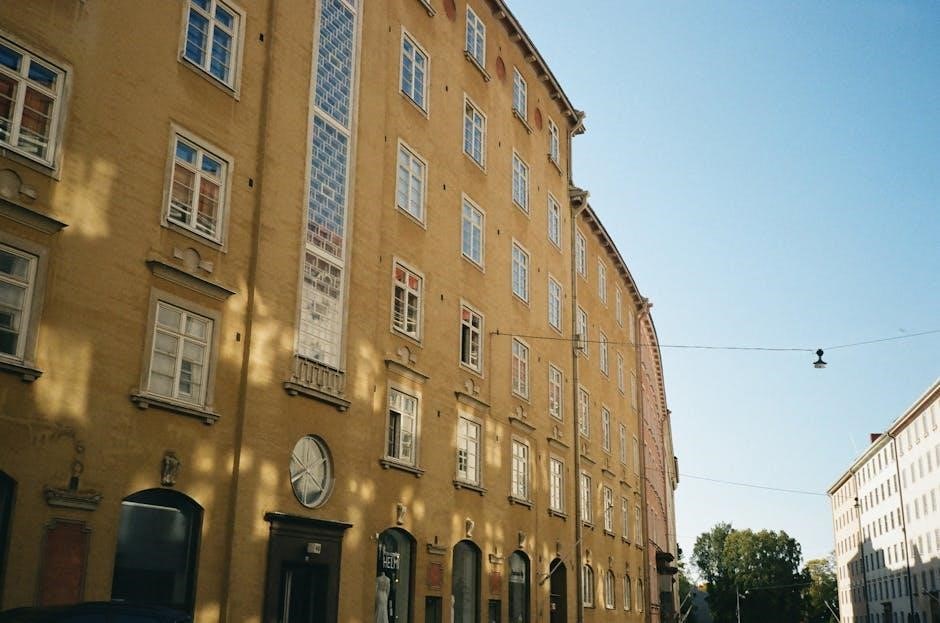
As of today‚ November 22‚ 2025‚ the fate of the constructions on Rushikonda Hill remains decidedly uncertain. The recent change in state government following the general elections has significantly impacted the project’s trajectory‚ leading to a period of review and reassessment. Public access to the surrounding areas continues to be restricted‚ fueling ongoing criticism and demands for transparency.
The palatial complex‚ built under the 33-year lease agreement‚ remains largely inaccessible to the general public‚ a point repeatedly emphasized by local political leaders. Scrutiny persists regarding the lease terms and allegations of rule flouting during the construction phase. The Andhra Pradesh Tourism Authority’s role is under increased examination‚ with calls for a thorough investigation into the project’s financial and environmental implications.
Future Outlook and Potential Revisions
Looking ahead‚ the future of the Rushikonda Hill project hinges on the new state government’s decisions. Given the sustained public scrutiny and documented concerns regarding environmental violations and adherence to Coastal Regulation Zone (CRZ) rules‚ significant revisions to the existing 33-year lease are highly probable.

The Expression of Interest submitted by Sukesh signals a potential shift towards alternative proposals for the site. A comprehensive review of the financial aspects‚ including the remarkably low lease premium and rental rates‚ is anticipated. The possibility of repurposing the complex or scaling back the project to minimize environmental impact is actively being discussed. Transparency and public consultation will be crucial in shaping the project’s ultimate outcome.
Availability of the Lease Document (PDF)
Currently‚ official public access to the complete Rushikonda lease document in PDF format remains limited. Despite numerous requests from citizens‚ political leaders‚ and civil groups‚ the Andhra Pradesh Tourism Authority (APTA) has not readily released the full document for public review. However‚ fragments and excerpts have surfaced through investigative reporting‚ notably by “Covert‚” revealing details about the 33-year lease terms.
These released portions highlight the exceptionally low lease premium – a mere Rs. 7‚000 per acre – and raise questions about the fairness and transparency of the agreement. Efforts to obtain the complete PDF are ongoing through Right to Information (RTI) requests and legal channels. The lack of readily available documentation continues to fuel public distrust and demands for greater accountability regarding this controversial project.
Leave a Reply
You must be logged in to post a comment.